



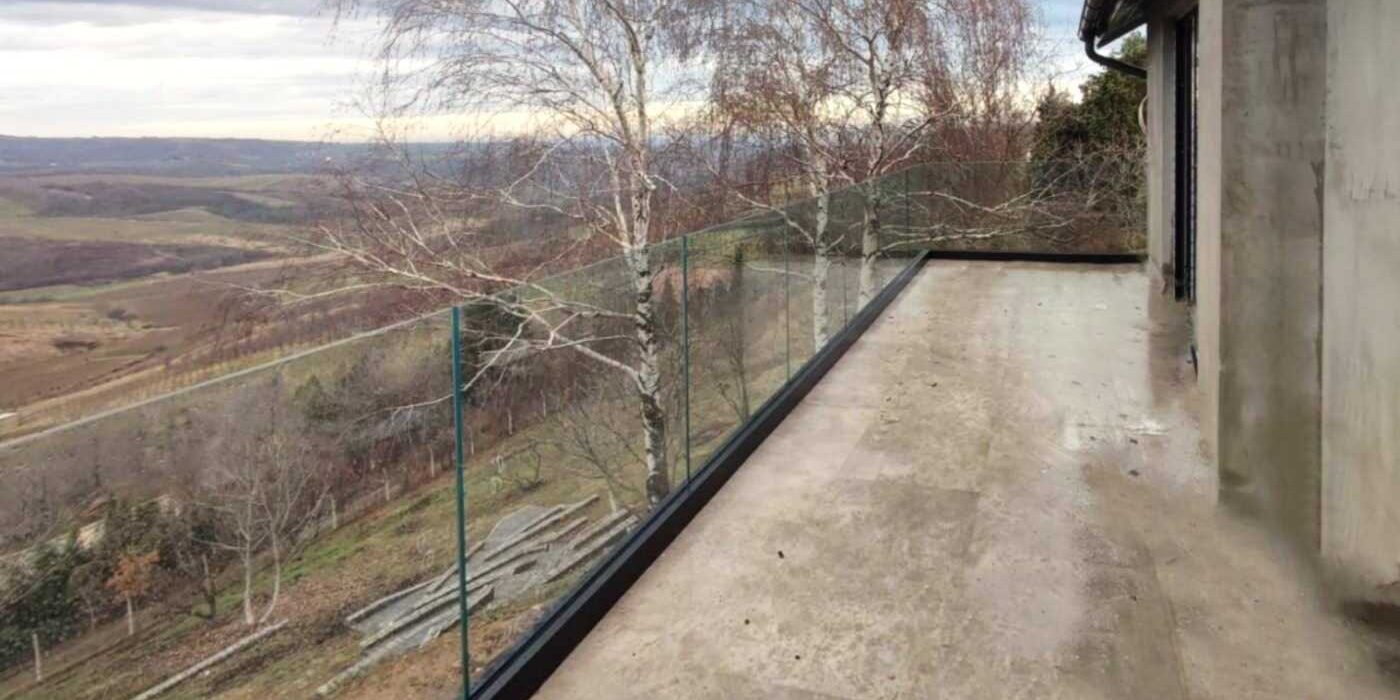
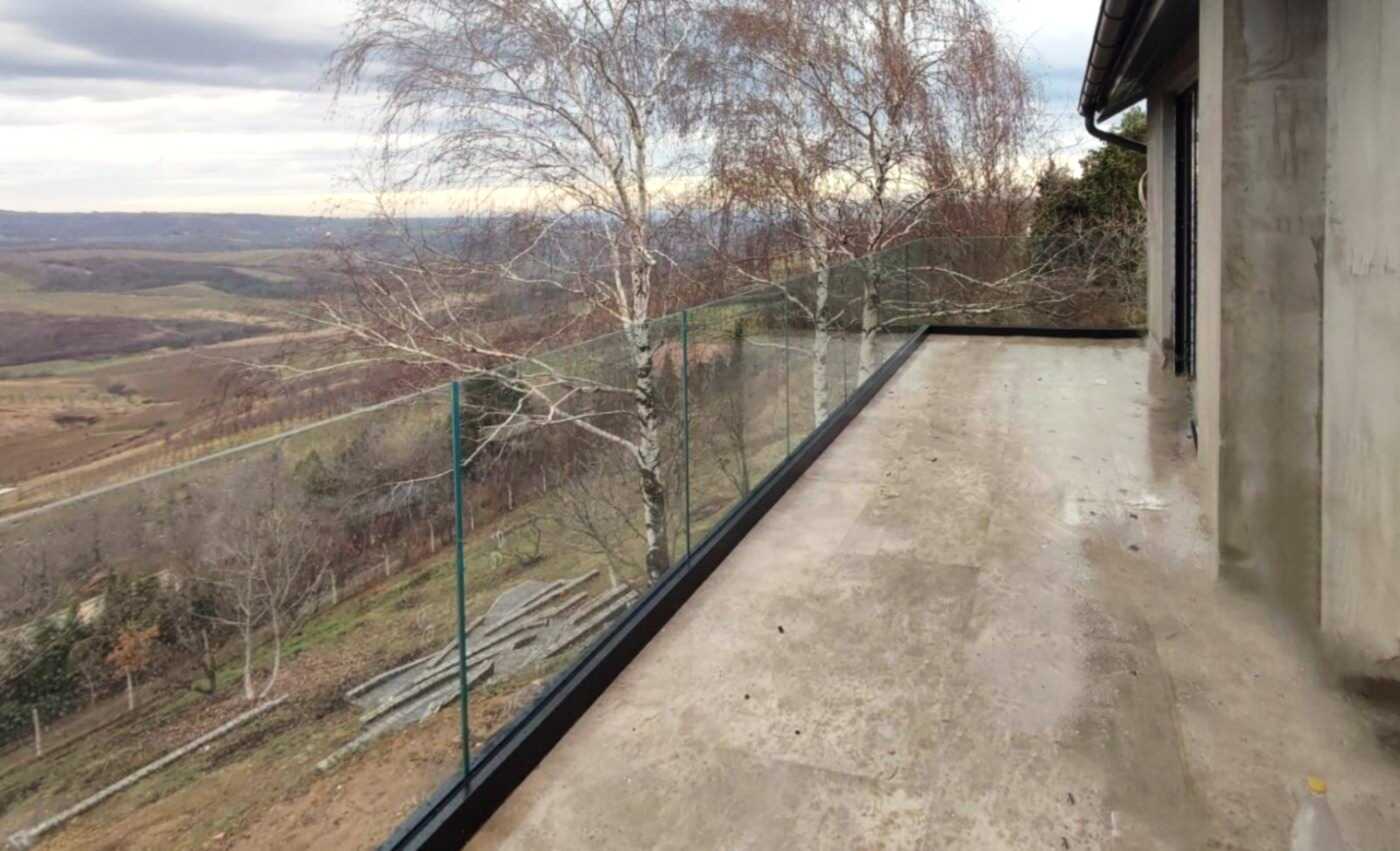
In the world of construction, the safety of hardware and profiles for glass railings is not a matter of preference it is an obligation. This is why aluminum profiles and fittings must carry clear certifications proving they can withstand wind loads, impact forces, and pressure.
Here is what each standard represents, why it matters, and what it means for you whether you are an industry professional or an end user.
What Do These Standards Actually Mean?
- UNI – an Italian standard for construction products (e.g., UNI 11678 for static load, and UNI 10807 / UNI 10806 for dynamic and static load testing). These standards are primarily relevant for products tested and certified within the EU/Italy.
- Giordano Institute – an independent, accredited Italian laboratory specializing in the testing of glass, aluminum, and complex architectural systems. It issues certifications in accordance with UNI, EN, and ISO standards.
-

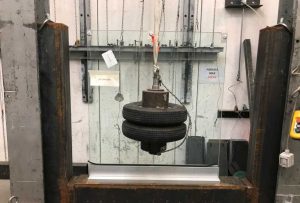
- Simulacija opterećenja u sredini stakla pomoću pondera sa gumenim točkom, testiranje prema standardu UNI EN 14019:2016
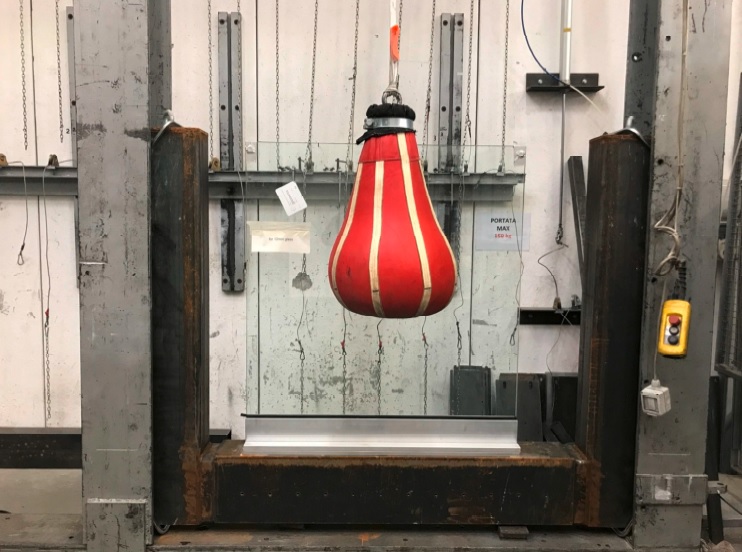
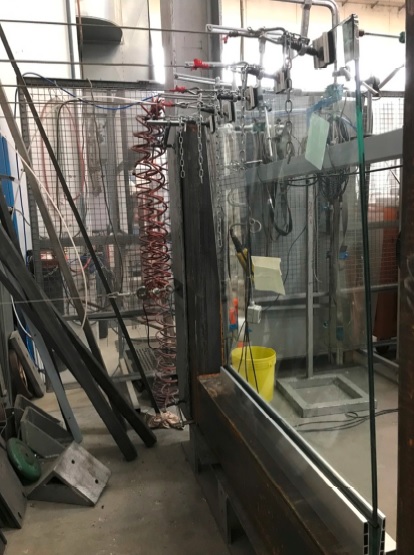
Glossary | What Do 2 kN, 3 kN, and 4 kN Mean?
- kN/m (kilonewton per meter) measures the horizontal force a profile can withstand when pressure is applied along one linear meter of its length.
- 2 kN ≈ the equivalent of about 200 kg of applied force (sufficient for standard residential safety requirements).
- 3 – 4 kN used for medium-to-high-strength constructions such as public buildings, schools, restaurants, and similar high-traffic environments.
- Static testing refers to applying a constant load for a defined period of time (e.g., 3 kN/m for 15 minutes) without exceeding the limits set by the testing protocol.
- Dynamic testing simulates an impact scenario (using a 50-kg soft body or a steel ball). The glass must not crack in a way that compromises safety, nor may it shatter or disperse.
Standards and Certifications for Hardware and Glass
| Standard / Certification What It Measures / Tests Typical Application | ||
|---|---|---|
| UNI 11678 / 10806 / 10807 | Static and dynamic performance – horizontal load resistance Applicable to glass railing systems within Italy and the EU | |
| Impact tests for glass embedded in aluminum frames | Used for glass façades and glass railing systems | |
| UNI EN 12600 | Pendulum impact test safety performance of glass Applies to laminated and tempered safety glass | |
| Giordano Institute | Issues certifications in accordance with UNI and EN standards | Used for quality assurance and CE conformity marking |
How to Read a Certificate in Practice
If a hardware system is certified at 3 kN/m and has passed a dynamic drop test according to UNI 10807, it means it is approved for use in public and high-traffic environments such as schools, shopping centers, airports, and similar official spaces.
4 kN-rated systems are typically required for projects in high-wind locations or major public spaces, offering the highest level of safety.
What You Should Know When Choosing Hardware + Glass
- For private residential projects, a 2 kN/m load rating is typically sufficient. For public buildings, you should opt for 3 4 kN per meter to meet safety requirements.
- Check the type of testing performed both static and dynamic tests must be included, and they should be carried out in accordance with the relevant UNI standards.
- Certification by accredited laboratories such as **Giordano** ensures that all tests have been performed correctly and in full compliance with **EN/UNI regulations**.
- Glass panels must carry a **quality and compliance marking** (e.g., CE, UNI EN, or the manufacturer s stamp) to ensure both legal conformity and technical safety.
Why Does This Matter for You?
- If you are a contractor, you safeguard your projects by working with properly tested systems, ensuring safety and minimizing potential claims or callbacks
- If you are an architect, your design is fully supported by official documentation you have access to technical datasheets with **three to four installation variants and corresponding load ratings**, ensuring that every solution is compliant, safe, and defensible in project specifications.
- If you are an end user, you gain peace of mind and confidence in the quality of the system an important long-term investment designed to last for decades.
Conclusion
Standardization (**UNI / EN**) and independent testing (**Giordano, ICC-ES**) are essential for ensuring the safety and overall quality of glass railing systems.
By choosing certified systems, you gain clear, verifiable data on load capacity and durability allowing you to prioritize the safety of every user above all else.
Sliding Shower Door Prices: What Really Determines the Cost
When renovating a bathroom, choosing the right shower enclosure is…
Glass for Shower Enclosures: A Complete Guide to Choosing the Safest and Most Stylish Option
Glass panels are one of the best ways to create…

Modern Office Space in the Attic of Jevrem Grujić’s Home – Our Contribution to the Project
We are proud to present our recent project in collaboration…
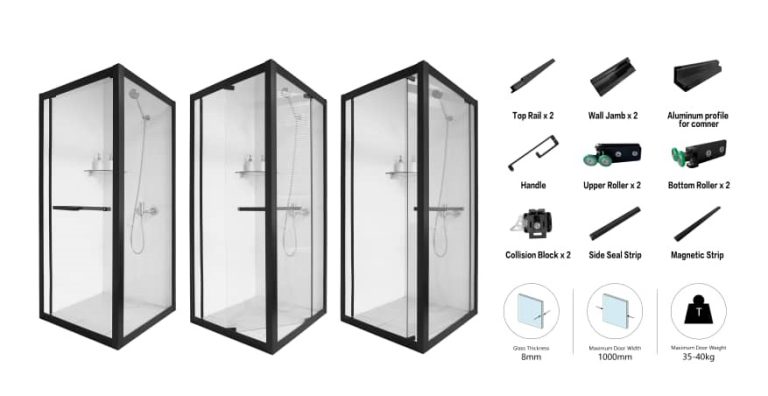
Stealth: Elevate Your Shower Experience with the Cutting-Edge Sliding-Folding Shower Enclosure!
STEALTH – SLIDING-FOLDING SHOWER ENCLOSURE The Stealth Shower Enclosure…